Fukui · HORUWORKS JOURNAL
Fukui through three worlds: samurai city, dinosaurs and Zen
Ichijodani, the Fukui Prefectural Dinosaur Museum and Eiheiji reveal a prefecture where archaeology, science and living practice give the past a powerful presence.
Fukui does not present history as one continuous timeline. At Ichijodani, an excavated city makes the sixteenth century legible through streets, gardens and foundation stones. In Katsuyama, fossils open a window onto life tens of millions of years earlier. At Eiheiji, teachings established in the thirteenth century are still enacted every day. Together, the three places show why Fukui rewards more than a quick stop.
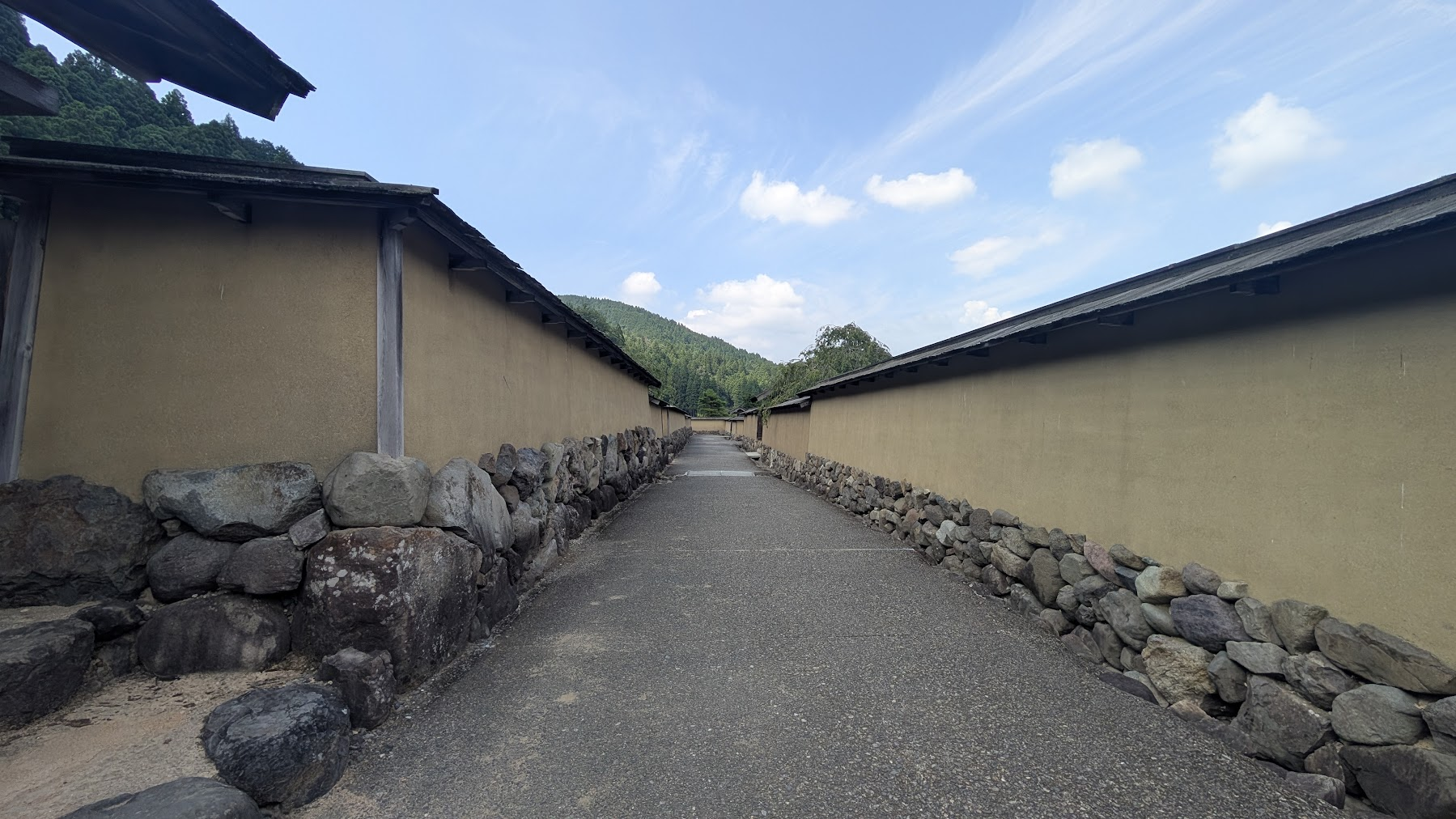
Ichijodani was the stronghold of the Asakura clan for more than a century, across five generations of regional rule. Sheltered in a narrow valley southeast of present-day Fukui City, it developed into a substantial castle town with the lord’s residence, samurai compounds, temples, merchant houses and workshops. Its prosperity ended in 1573, when the Asakura were defeated during Oda Nobunaga’s campaigns and the town was burned.
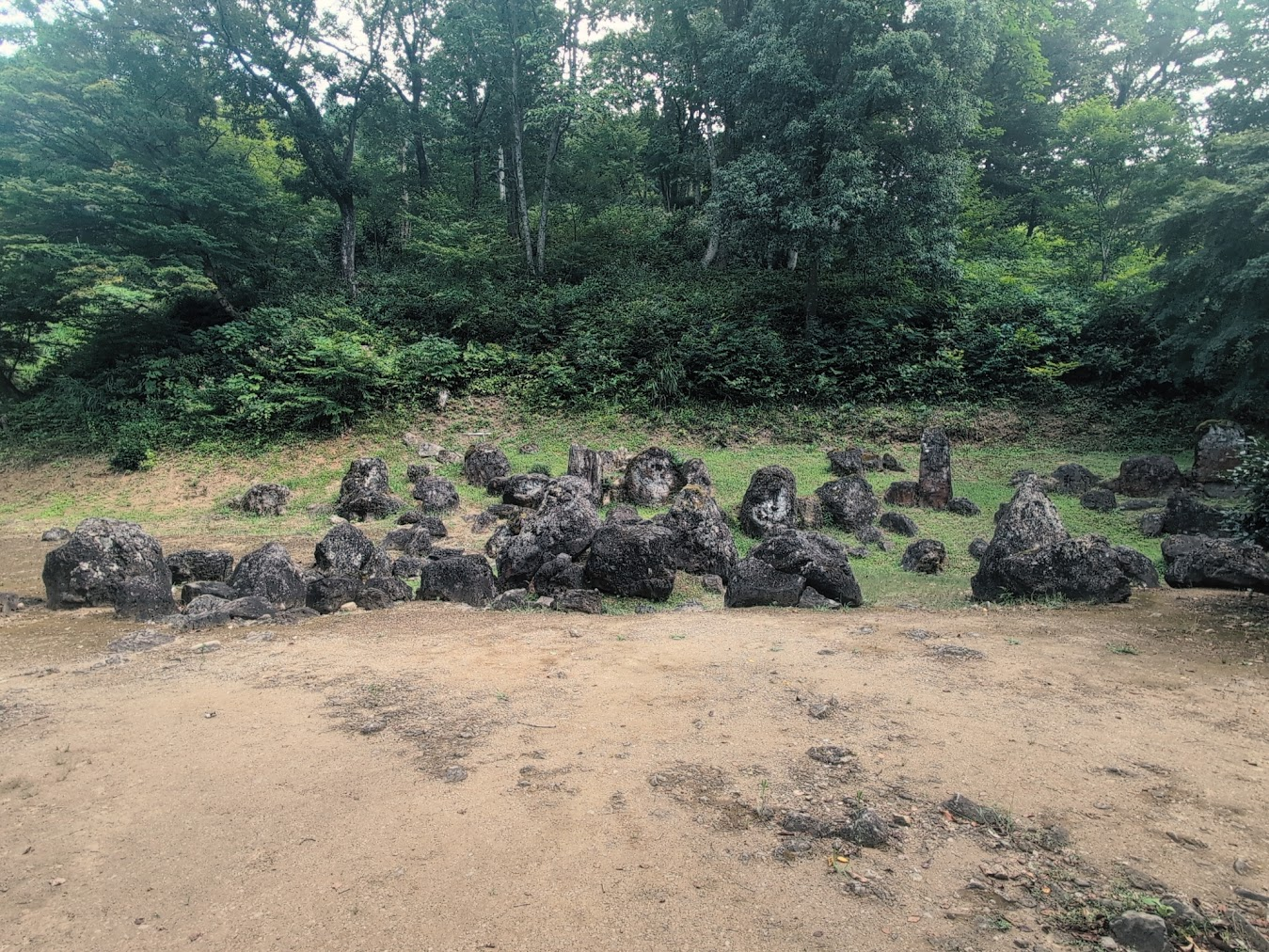
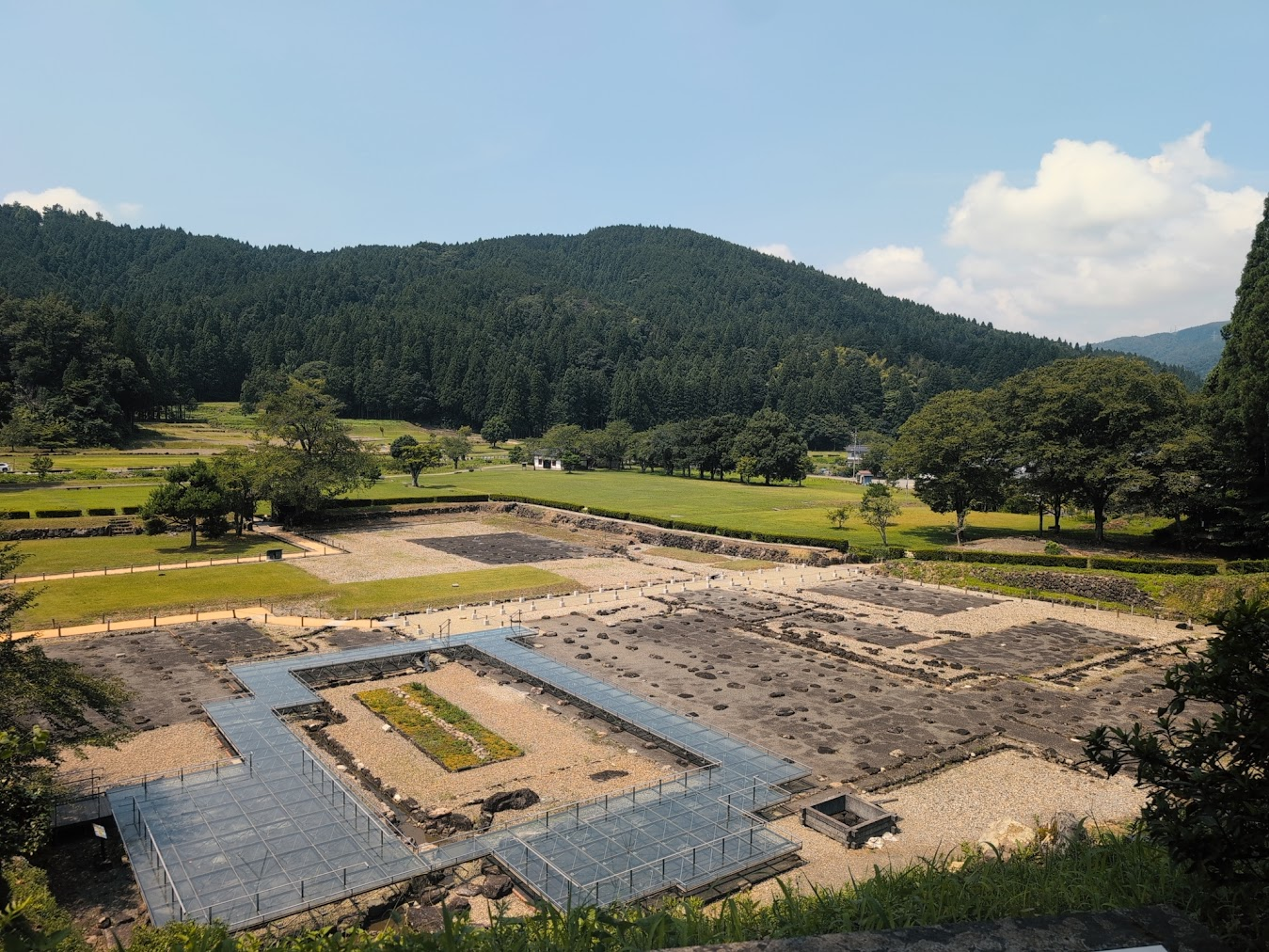
What makes Ichijodani exceptional is not simply the drama of its destruction, but what remained below ground. Systematic excavation began in 1967 and revealed the layout of an entire community. A 278-hectare area is protected as a Special Historic Site; four excavated gardens are designated Places of Special Scenic Beauty, and 2,343 excavated objects are Important Cultural Properties.
The restored townscape gives walls and doorways their scale again, but the uncovered foundations may be even more eloquent. At the Asakura residence, garden stones, water features and the outlines of buildings reveal how power, ceremony and daily life occupied the same valley. Ichijodani is therefore best approached as archaeology rather than a film set: reconstruction helps the eye, while the original stones carry the evidence.
Ichijodani, the Fukui Prefectural Dinosaur Museum and Eiheiji reveal a prefecture where archaeology, science and living practice give the past a powerful presence.
From a human city measured in centuries, Fukui’s story moves into deep time at the Fukui Prefectural Dinosaur Museum. The museum stands in Katsuyama, near the Kitadani Dinosaur Quarry, where sustained excavation since 1989 has transformed knowledge of dinosaurs in Japan. The relationship between museum and fieldwork is essential: this is not only a hall of famous skeletons, but a research institution rooted in discoveries made nearby.
Its permanent exhibition includes 51 mounted dinosaur skeletons, with ten containing significant original fossil material. Dinosaur World places these specimens alongside reconstructions and a full-scale diorama, while the Earth Sciences and History of Life areas widen the story beyond dinosaurs. The result works at several levels: visual impact for a first-time visitor and enough evidence, comparison and detail for someone who wants to understand paleontology.
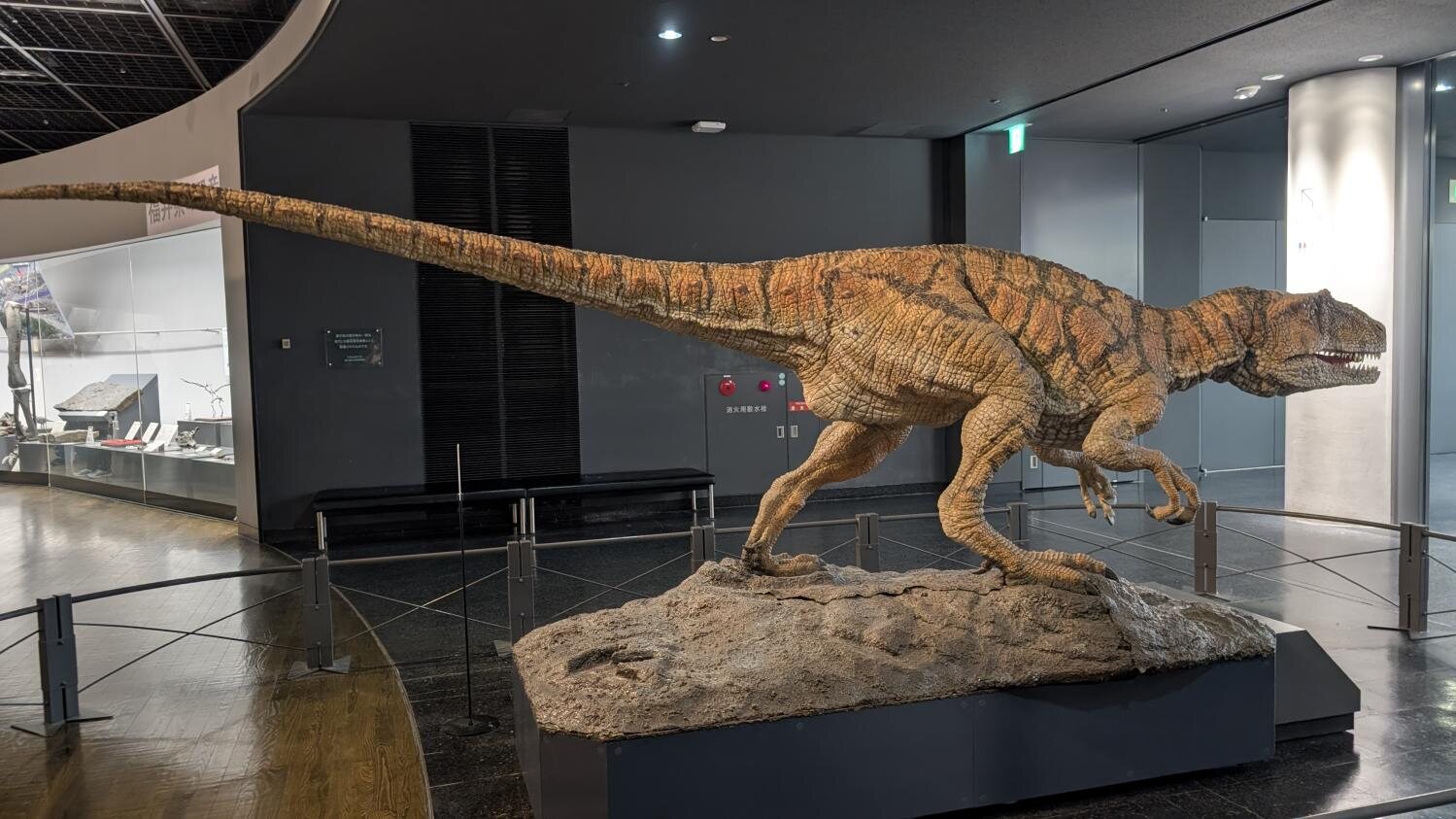
The local discoveries give the museum its distinctive voice. Fossils from Kitadani include Fukuiraptor, Fukuisaurus, Fukuititan, Fukuivenator, Koshisaurus and the early bird Fukuipteryx, as well as footprints, eggshells and remains of young animals. These finds turn the word ‘Fukui’ in the species names into more than branding; they record the prefecture’s contribution to the scientific account of Cretaceous life in East Asia.
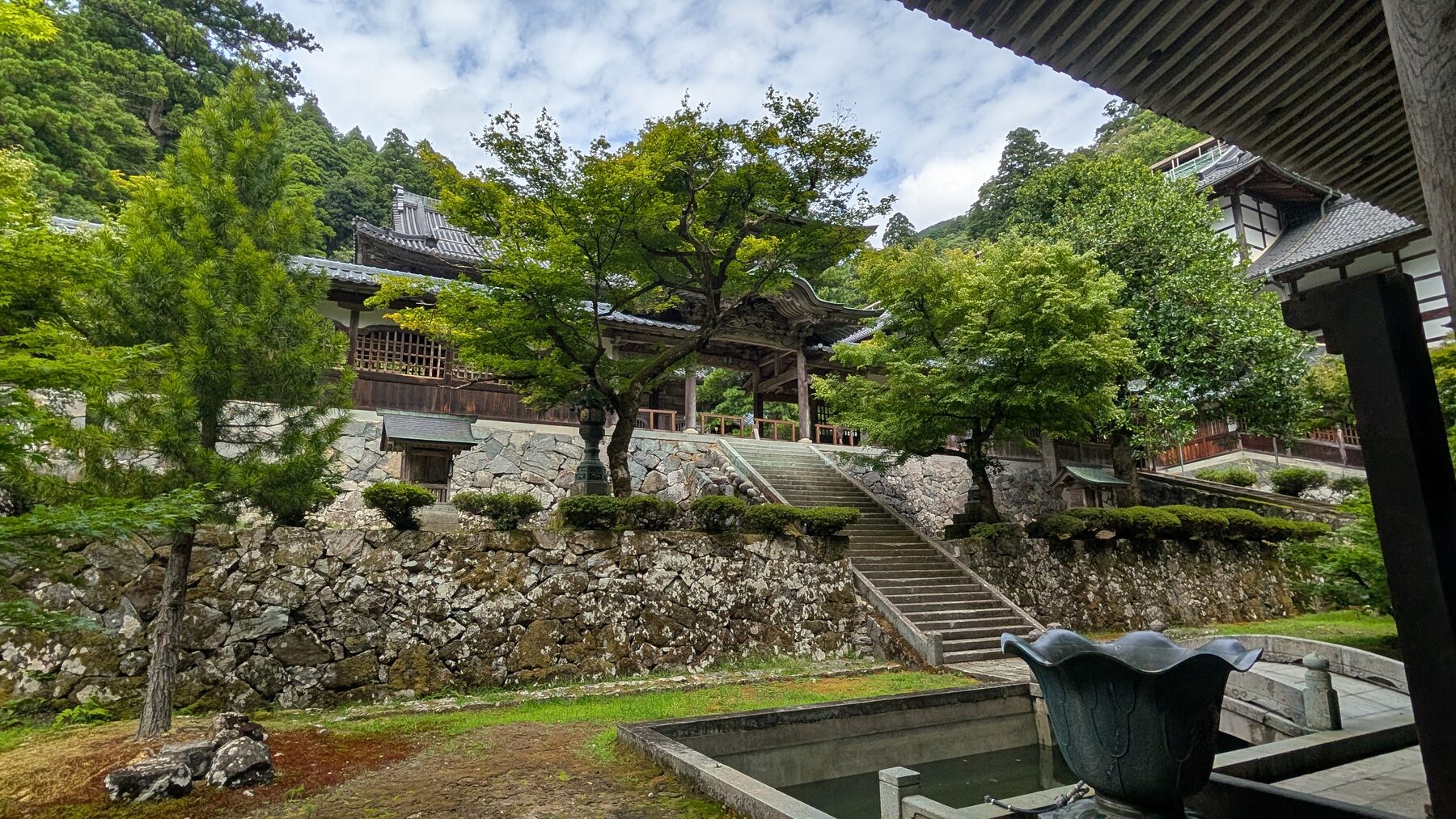
Eiheiji offers a third relationship with time. Dōgen founded the temple in 1244 as a place for zazen practice, and it remains one of the principal temples of Sōtō Zen. Trainee monks continue to live and practise within the complex, so visitors enter an active religious environment rather than a monument whose original purpose has disappeared.
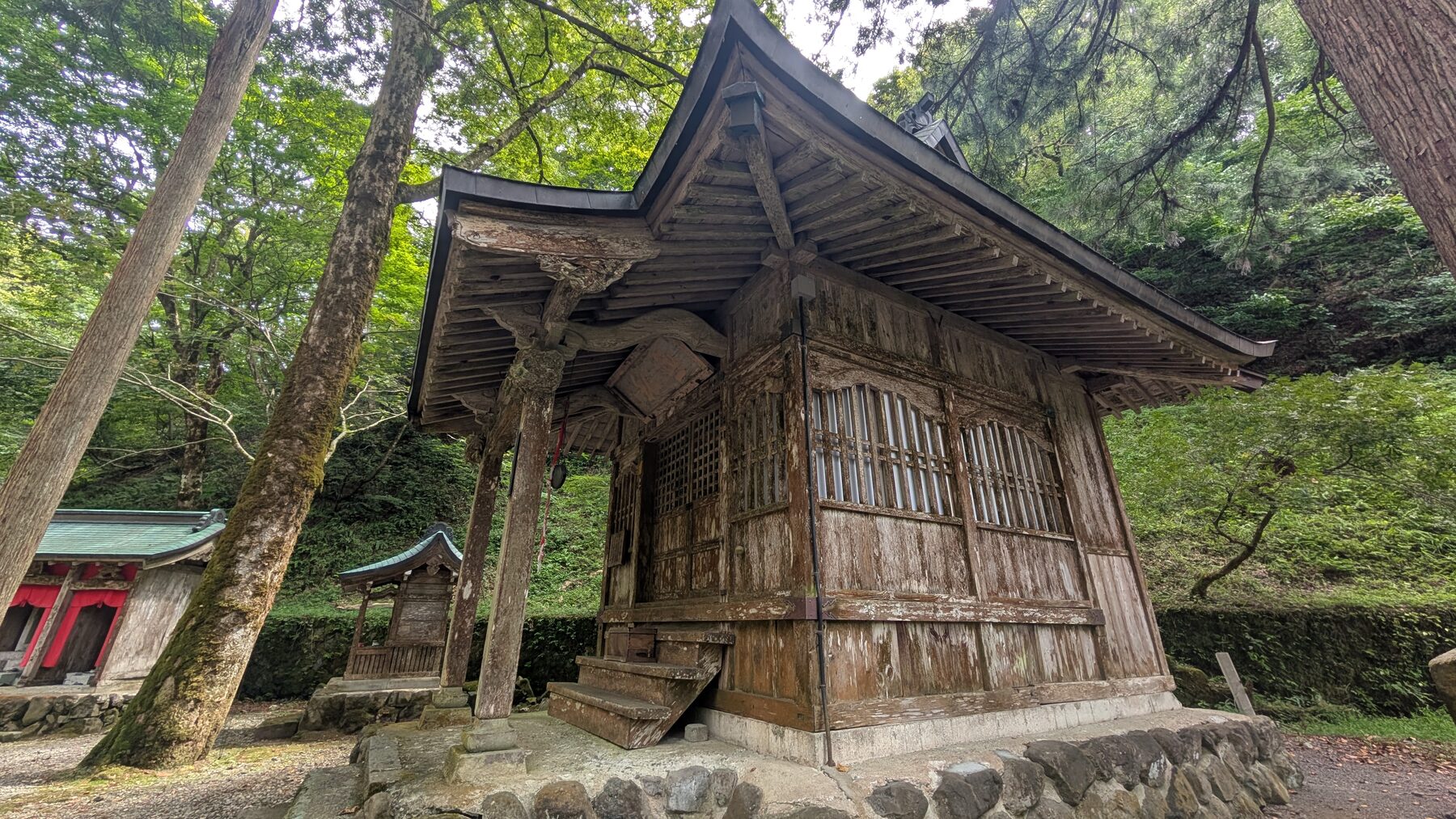
The mountain setting matters. Cedar forest, covered corridors, gates, kitchens and meditation halls form one disciplined environment. The seven principal monastic buildings organise the routines of training, while Sanshokaku’s ceiling—230 paintings by 144 artists—introduces a surprising burst of colour. Even with visitors moving through the precinct, the architecture repeatedly redirects attention toward posture, sound, work and quiet.
Ichijodani, the Dinosaur Museum and Eiheiji could hardly be more different, yet each asks the same question: how can the past be made present without reducing it to spectacle? Fukui answers through excavated evidence, continuing scientific research and daily practice. That combination makes the prefecture not an optional detour, but a destination for anyone interested in how places remember.