
Shirakawa-go · HORUWORKS JOURNAL
Shirakawa-go: a tradition still alive
The steep thatched roofs are only the beginning: Shirakawa-go endures through practical design, shared work and an inhabited landscape.
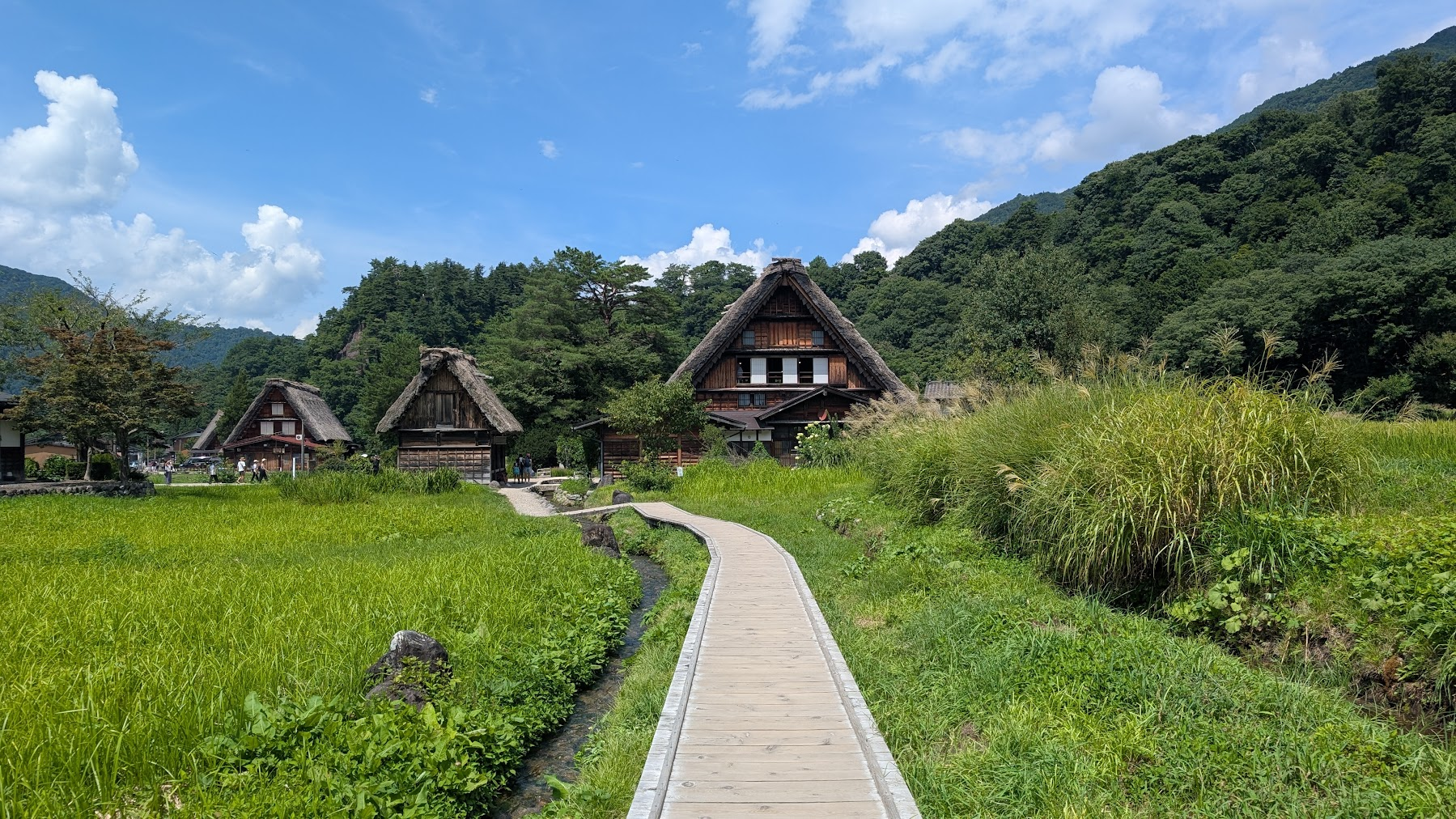
Shirakawa-go is often introduced through a single winter image: steep roofs beneath deep snow. Yet the village is not a frozen scene. It is a living mountain community whose architecture, fields and customs developed together over centuries.
The name gassho-zukuri refers to a form resembling hands joined in prayer. Its sharply pitched thatched roof helps shed heavy snow, while the large interior structure created useful upper floors. These attic spaces were historically connected with silkworm cultivation, linking the house directly to family work and the local economy.
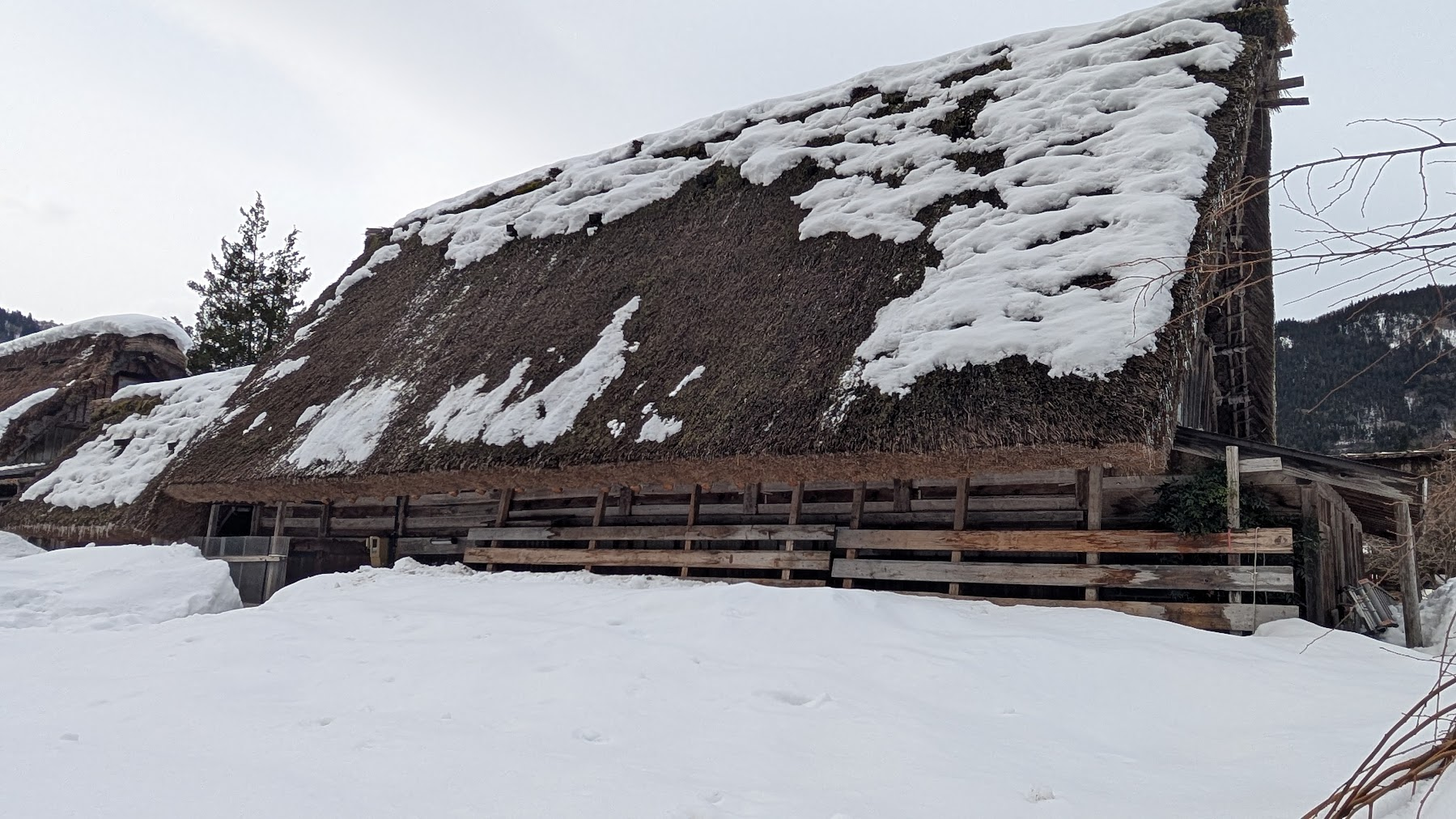
A roof is not one simple layer. Thatch, ridge details, timber frames and bindings must work together against snow, wind, rain and fire. The forms shown across the village reveal practical variations rather than a single decorative template; each house reflects material knowledge adapted to its site and use.
Thatch eventually has to be renewed. Traditionally, major reroofing depended on yui, a system of mutual assistance that brought neighbours together for demanding work. Many hands made the task possible, but the gathering also passed on judgement, technique and responsibility from one generation to the next.
The steep thatched roofs are only the beginning: Shirakawa-go endures through practical design, shared work and an inhabited landscape.
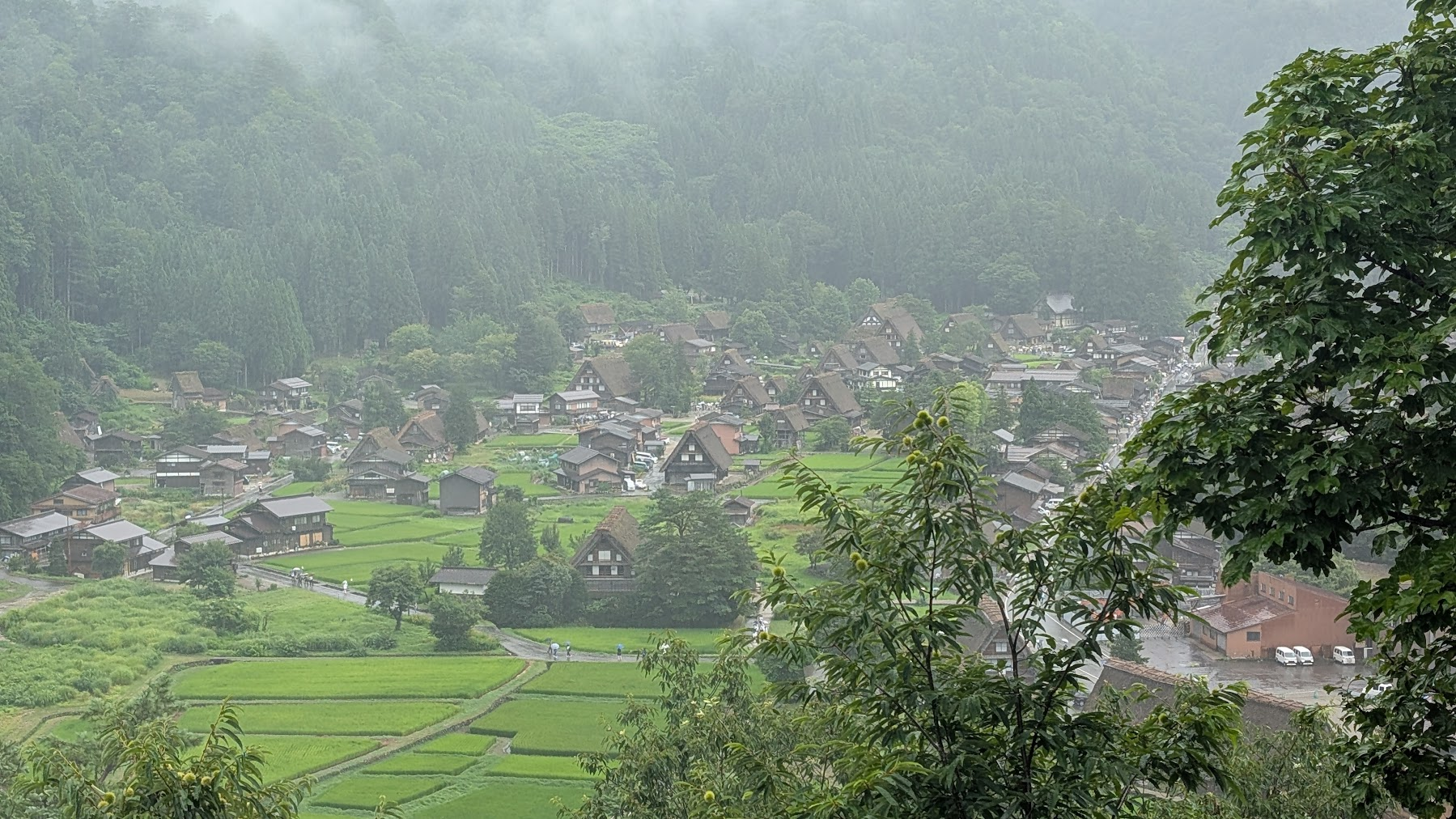
For Horuworks, this place is personal. Founder Jorge lived in Shirakawa-go for three years through the JET Programme. School days, festivals, seasonal change and everyday relationships showed him a village that cannot be understood from an observation deck alone.
World Heritage recognition has brought attention and opportunity, but it also asks visitors to remember that many buildings are homes and that lanes, fields and routines belong to residents. Respecting boundaries, moving patiently and noticing ordinary life are part of seeing the village properly.
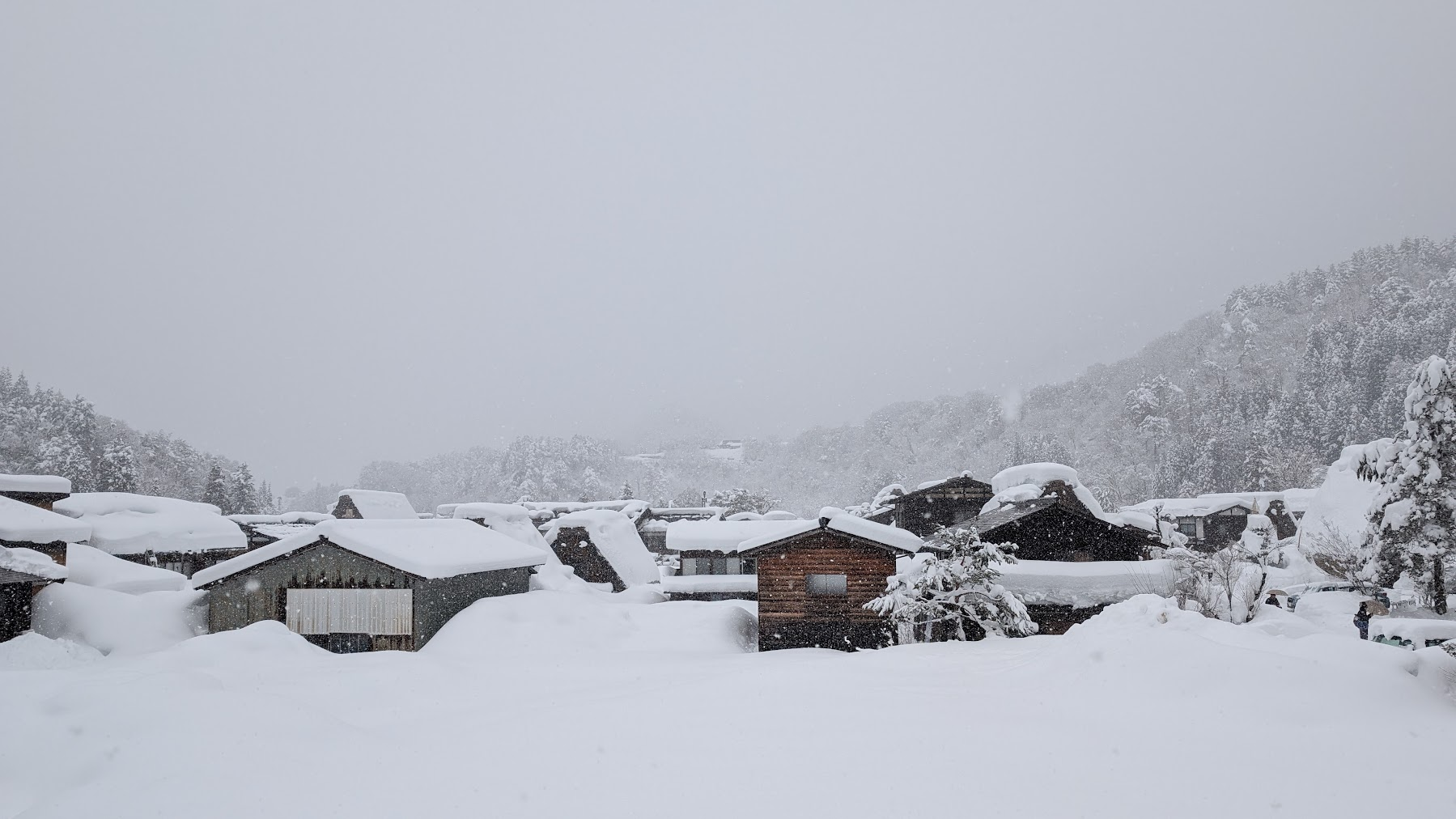
The most important tradition in Shirakawa-go is not a roof preserved unchanged. It is the continuing ability of people to maintain, adapt and share a difficult environment. The houses are remarkable because they make that cooperation visible—and because the community behind them is still here.